Slow Cooker Pepper Steak: The Ultimate Set-It-and-Forget-It Dinner
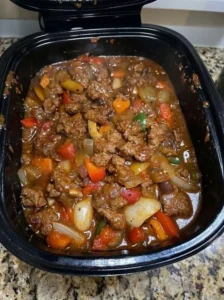
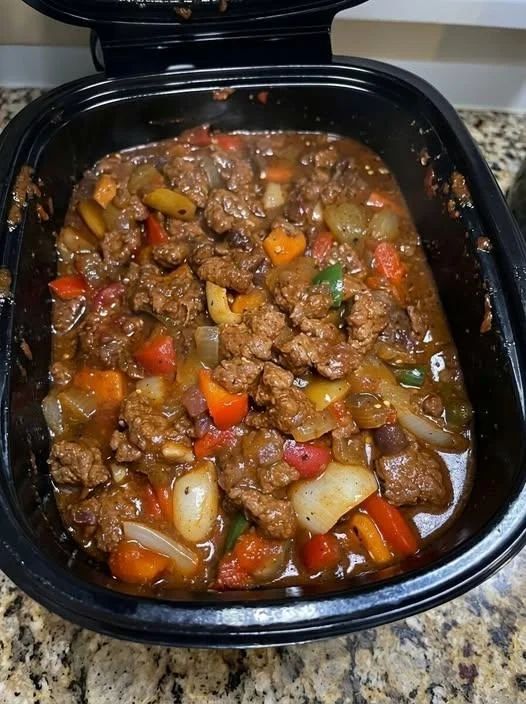
Few dishes combine convenience, flavor, and satisfaction quite like slow cooker pepper steak. This classic recipe transforms simple ingredients into a restaurant-quality meal with minimal hands-on effort. Tender strips of beef mingle with colorful bell peppers and onions in a rich, savory sauce that’s perfect over rice, noodles, or cauliflower rice for a low-carb option.
What makes this recipe truly special is how the slow cooker works its magic. While you’re at work, running errands, or simply relaxing, the gentle heat breaks down the meat’s fibers, creating fall-apart tenderness that’s impossible to achieve with quick cooking methods. The vegetables soften to perfection while maintaining their shape and vibrant colors, and the sauce develops deep, complex flavors as everything melds together over hours of cooking.
This isn’t just dinner—it’s a complete meal solution that solves the eternal question of “what’s for dinner?” with minimal planning and maximum results. Whether you’re feeding a hungry family on a weeknight or preparing a special weekend meal, this slow cooker pepper steak delivers every single time.
Why This Recipe Works
The genius of slow cooker pepper steak lies in its simplicity and the science behind slow cooking. When you brown the beef before adding it to the slow cooker, you create what chefs call the Maillard reaction—a chemical process that develops hundreds of flavor compounds on the meat’s surface. This browning step is optional in many slow cooker recipes, but it makes a tremendous difference in the final dish’s depth and complexity.
The sauce components work together in perfect harmony. Soy sauce provides umami and saltiness, Worcestershire sauce adds tangy complexity, and a touch of brown sugar balances the savory elements with subtle sweetness. The beef bouillon intensifies the meaty flavor, while cornstarch ensures the sauce thickens to a glossy, coating consistency that clings to every piece of meat and vegetable.
Adding the bell peppers during the last hour of cooking is a crucial technique. If you add them at the beginning, they’ll turn mushy and lose their appealing texture and bright color. By waiting until the final hour, you ensure they soften just enough while maintaining a slight crispness and vibrant appearance that makes the dish visually stunning.
Essential Ingredients
The Beef
The star of this dish is 2 pounds of sirloin steak, cut into strips. Sirloin offers an ideal balance of flavor, tenderness, and affordability. It has enough marbling to stay juicy during long cooking but isn’t as expensive as premium cuts like ribeye or tenderloin. When shopping, look for sirloin that’s bright red with fine white marbling throughout—this fat will render during cooking, keeping the meat moist and flavorful.
Cut the sirloin against the grain into strips about half an inch wide and 2 to 3 inches long. Cutting against the grain—perpendicular to the muscle fibers—is essential for tenderness. If you cut with the grain, the meat will be noticeably chewier even after hours of slow cooking.
If sirloin isn’t available or you want to try something different, flank steak or chuck roast work beautifully. Chuck roast is actually more forgiving due to its higher fat content, though it takes slightly longer to become tender. Flank steak is leaner but develops wonderful flavor in the slow cooker.
Aromatics and Vegetables
Two teaspoons of minced garlic form the aromatic foundation. Fresh garlic is always preferable to jarred or powdered versions—it provides a pungent, slightly sweet flavor that mellows beautifully during slow cooking. Mince it finely so it distributes evenly throughout the sauce.
One cup of chopped onion adds sweetness and body to the sauce. Yellow or white onions work best—their relatively neutral flavor enhances rather than dominates. Dice them into pieces about half an inch in size, large enough to maintain some texture but small enough to soften completely during cooking.
The showstoppers are two bell peppers, sliced into strips. Use any color you prefer—red, yellow, orange, or green—or mix colors for a more vibrant presentation. Red, yellow, and orange peppers are sweeter and add beautiful color, while green peppers offer a slightly more assertive, vegetal flavor. Each pepper should be cored, seeded, and cut into strips about half an inch wide.
Sauce Components
The sauce is where flavor magic happens. Three tablespoons of soy sauce provide the primary seasoning and that essential umami depth. Use regular or low-sodium soy sauce depending on your preference—low-sodium gives you better control over the final saltiness.
Two teaspoons of Worcestershire sauce contribute tangy complexity with hints of molasses, tamarind, and anchovy. This fermented sauce adds layers of flavor that are hard to identify individually but collectively make the dish taste more sophisticated and complete.
One teaspoon of brown sugar balances the salty and savory elements with subtle sweetness. Don’t skip this ingredient—even this small amount makes a significant difference in rounding out the flavors. You can use light or dark brown sugar, though dark brown sugar will contribute slightly more molasses flavor.
One can of diced tomatoes (14.5 ounces) provides acidity, moisture, and tomato flavor without overwhelming the dish. The tomatoes break down during cooking, helping create a sauce that’s both substantial and light. Don’t drain the can—you want all that flavorful liquid.
Black pepper to taste adds gentle heat and complexity. Start with a quarter teaspoon and adjust according to your preference. Freshly ground black pepper provides the best flavor, but pre-ground works fine in a pinch.
Thickening the Sauce
One beef bouillon cube dissolved in two-thirds cup of hot water creates a concentrated beef broth that intensifies the meaty flavor throughout the dish. Choose a quality bouillon cube or, even better, use beef better than bouillon paste for superior flavor.
One tablespoon of cornstarch whisked into the bouillon mixture creates the thickening power that transforms thin liquid into a luscious, coating sauce. The cornstarch must be completely dissolved in liquid before adding to the slow cooker to prevent lumps.
The Cooking Fat
Two tablespoons of olive oil are used for browning the meat. Olive oil has a suitable smoke point for this purpose and adds a subtle fruity flavor. You can substitute vegetable oil, canola oil, or avocado oil if you prefer.
Step-by-Step Instructions
Preparing Your Ingredients
Before you begin cooking, complete all your prep work. This French culinary concept called mise en place (everything in its place) makes the cooking process smooth and stress-free. Cut your sirloin into uniform strips against the grain. Mince the garlic finely. Chop the onion into half-inch pieces. Slice the bell peppers into strips and set them aside separately from the other vegetables—remember, they go in later.
Open your can of diced tomatoes and have it ready. Measure out your soy sauce, Worcestershire sauce, and brown sugar. Having everything prepared before you start cooking prevents the scrambling and stress that can derail your meal preparation.
Browning the Beef
This step is where flavor begins to develop. Place a large skillet over medium-high heat and add the two tablespoons of olive oil. Allow the oil to heat for about a minute—it should shimmer and move easily across the pan surface. The oil should be hot but not smoking.
Add the sirloin strips to the hot pan. You’ll likely need to work in batches to avoid overcrowding—overcrowded meat steams rather than browns, which means you’ll miss out on those crucial flavor-building reactions. The strips should sizzle when they hit the pan.
Let the meat sit undisturbed for about 2 minutes to develop a nice brown crust on the bottom. Then flip the pieces and brown the other side for another minute or two. You’re not cooking the beef through at this stage—you’re simply creating a flavorful exterior that will enhance the final dish. The centers can still be quite pink.
Add the minced garlic during the last 30 seconds of browning. Stir it constantly to prevent burning—burnt garlic tastes bitter and can ruin your entire dish. As soon as you smell that wonderful garlic aroma filling your kitchen, it’s time to move on to the next step.
Creating the Sauce Base
While the beef is browning (or immediately after), prepare your sauce base in the slow cooker. Pour two-thirds cup of hot water into a measuring cup or small bowl and add the beef bouillon cube. Stir until the cube dissolves completely—this creates a concentrated beef stock that will enrich your sauce.
Add the tablespoon of cornstarch to the bouillon mixture and whisk vigorously until completely smooth with no lumps. The cornstarch may want to clump, so whisk thoroughly for at least 30 seconds. Pour this mixture into the bottom of your slow cooker.
Add the soy sauce, brown sugar, Worcestershire sauce, and the entire can of diced tomatoes with their liquid. Season with black pepper to taste. Stir everything together until well combined. The sauce will look quite thin at this point—don’t worry, it will thicken beautifully during cooking.
Combining Everything
Add the chopped onion to the sauce in the slow cooker and stir to combine. The onions will soften and sweeten as they cook, becoming almost melting in texture while infusing the sauce with their flavor.
Transfer all of the browned beef and any accumulated juices from the skillet to the slow cooker. Those juices contain concentrated beef flavor that you don’t want to waste. Stir everything together, making sure the beef strips are well distributed and mostly submerged in the sauce.
The meat doesn’t need to be completely covered by liquid—the slow cooker’s sealed environment will create steam that keeps everything moist. Just ensure the ingredients are well mixed so the flavors can meld together.
The Long, Slow Cook
Place the lid on your slow cooker, making sure it’s sealed properly. Set your cooker to either HIGH or LOW depending on your schedule. On HIGH, the pepper steak will cook in 3 hours. On LOW, it needs 6 to 7 hours. Both methods produce excellent results—the low and slow approach provides slightly more tender meat and allows for maximum flavor development, while the high setting gets dinner on the table faster.
During this cooking time, resist the urge to lift the lid and check on things. Every time you remove the lid, you release heat and steam, which extends the cooking time by 15 to 20 minutes. The slow cooker is doing its work—trust the process.
As the pepper steak cooks, your kitchen will fill with increasingly appetizing aromas. The beef will gradually become tender, the onions will break down into the sauce, and all the flavors will meld into something greater than the sum of their parts.
Adding the Bell Peppers
When you’re one hour away from serving time, it’s time to add the bell peppers. Remove the slow cooker lid and add the sliced peppers, distributing them evenly throughout the dish. Gently stir them in, trying to submerge most of the pieces in the sauce.
Replace the lid and continue cooking for that final hour. This timing ensures the peppers soften and absorb flavor while maintaining enough structure to provide pleasant texture and visual appeal. They’ll be tender-crisp, not mushy—the perfect complement to the ultra-tender beef.
After this final hour of cooking, turn off the slow cooker and let it sit, covered, for about 5 minutes before serving. This brief resting period allows the sauce to thicken slightly more as it cools just a bit.
Serving Suggestions
Slow cooker pepper steak is incredibly versatile when it comes to serving options. The traditional and most popular way is over fluffy white rice. The rice soaks up the flavorful sauce, creating a complete and satisfying meal. Cook about 2 cups of uncooked rice to serve 4 to 6 people generously.
For a heartier option, serve over egg noodles or wide rice noodles. The noodles provide a different texture that many people prefer, and they’re excellent at capturing the sauce in their curves and ridges.
Low-carb and keto dieters will love this pepper steak over cauliflower rice. The cauliflower’s mild flavor allows the sauce to shine while providing a rice-like texture with a fraction of the carbohydrates. You can also serve it over zucchini noodles or shirataki noodles for even fewer carbs.
For a grain-free option that’s still substantial, try serving the pepper steak over mashed cauliflower or mashed turnips. The creamy mashed vegetables create a bed for the saucy meat and peppers that’s incredibly comforting.
Don’t overlook simple accompaniments that can round out the meal. Steamed broccoli, bok choy, or snap peas add freshness and nutrition. A simple cucumber salad with rice vinegar dressing provides cooling contrast to the rich, savory main dish. Spring rolls or pot stickers make excellent starters for a complete Asian-inspired meal.
Garnish individual servings with sliced green onions for a pop of fresh flavor and color. Sesame seeds add a subtle nutty taste and attractive appearance. For those who like heat, sriracha or chili oil can be passed at the table for individual customization.
Storage and Reheating
One of the great advantages of slow cooker pepper steak is how well it stores and reheats, making it ideal for meal prep or enjoying leftovers.
Refrigerator Storage
Allow the pepper steak to cool to room temperature before storing, though don’t leave it out for more than 2 hours for food safety reasons. Transfer to airtight containers—glass containers with tight-fitting lids are ideal as they won’t absorb colors or odors.
Properly stored in the refrigerator, pepper steak maintains excellent quality for 3 to 4 days. The flavors continue to develop and meld in the refrigerator, so many people find that day-two pepper steak tastes even better than freshly made. The sauce may thicken in the refrigerator, but it will loosen again when reheated.
For meal prep, divide the pepper steak among individual containers along with your chosen starch (rice, noodles, or cauliflower rice). This creates grab-and-go lunches or easy weeknight dinners that just need a quick reheat.
Freezer Storage
This dish freezes beautifully for up to 3 months. Cool it completely before freezing to maintain the best texture and prevent ice crystal formation. Freezer-safe containers or heavy-duty freezer bags both work well.
If using freezer bags, portion the pepper steak into meal-sized amounts and press out as much air as possible before sealing. Lay the bags flat on a baking sheet to freeze, then stack them upright once solid. This saves tremendous freezer space and makes it easy to grab exactly the amount you need.
Label containers clearly with the contents and date. While the pepper steak is safe to eat for several months when frozen, it’s at peak quality within the first 3 months.
Reheating Methods
For refrigerated leftovers, the microwave offers the quickest reheating. Place a portion in a microwave-safe bowl and heat on high in 1-minute intervals, stirring between each interval, until heated through. This usually takes 2 to 3 minutes depending on the portion size and your microwave’s power.
Stovetop reheating produces the best texture. Place the pepper steak in a saucepan over medium heat and warm, stirring occasionally, until heated through. Add a splash of water or beef broth if the sauce has become too thick. This method takes about 5 to 7 minutes but results in texture that’s closest to freshly made.
For frozen pepper steak, the safest method is to thaw it overnight in the refrigerator, then reheat using one of the methods above. If you’re short on time, you can microwave from frozen, but this requires more careful attention to ensure even heating. Use 50% power and stir every 2 minutes, as the edges will heat faster than the center.
Customization and Variations
While the basic recipe is delicious as written, there are countless ways to adapt it to your tastes and dietary needs.
Vegetable Additions
Boost the nutrition and visual appeal by adding more vegetables. Sliced mushrooms added at the beginning of cooking add earthy flavor and meaty texture. Snow peas or snap peas added with the bell peppers provide crisp sweetness. Baby corn adds an authentic Asian restaurant touch. Water chestnuts contribute a unique crunch that holds up beautifully even after hours of cooking. Sliced carrots added at the beginning offer sweetness and bright color.
Protein Variations
While beef is traditional, other proteins work wonderfully with this preparation. Chicken thighs cut into strips create a lighter version that’s just as flavorful. Pork tenderloin sliced into medallions offers a sweet, tender alternative. For seafood lovers, large shrimp added during the last 15 minutes of cooking (instead of beef) creates a completely different but equally delicious dish.
Sauce Modifications
Adjust the sauce to suit your preferences. For a spicier version, add red pepper flakes, sriracha, or diced jalapeños at the beginning of cooking. For more Asian-inspired flavors, add a tablespoon of oyster sauce and a teaspoon of sesame oil. A tablespoon of hoisin sauce creates a sweeter, more complex sauce. Fresh ginger (about 1 tablespoon minced) added with the garlic brings bright, warming spice.
For a thicker sauce, increase the cornstarch to 2 tablespoons. For a thinner sauce, reduce it to 2 teaspoons or omit it entirely if you prefer a brothier consistency.
Low-Carb and Keto Adaptations
This recipe is already relatively low in carbohydrates, but you can make it even more keto-friendly. Replace the brown sugar with a keto-approved sweetener like erythritol or allulose. Ensure your Worcestershire sauce is sugar-free, or simply omit it. Check that your bouillon cube doesn’t contain added sugars.
The biggest carb savings comes from your serving choice—cauliflower rice instead of regular rice dramatically reduces the total carb count of the meal.
Instant Pot Conversion
If you don’t have all day to wait or forgot to start the slow cooker in the morning, you can adapt this recipe for the Instant Pot. Brown the beef using the sauté function, then add all ingredients except the bell peppers. Cook on high pressure for 20 minutes, followed by a 10-minute natural release. Quick-release any remaining pressure, add the bell peppers, and cook on sauté mode for about 5 minutes until the peppers soften.
The texture will be slightly different from slow cooker preparation, but it’s still delicious and gets dinner on the table in under an hour.
Troubleshooting Common Issues
The Sauce Is Too Thin
If your sauce hasn’t thickened properly, there are several solutions. The simplest is to remove the meat and vegetables with a slotted spoon, then transfer the liquid to a saucepan. Simmer it on the stovetop over medium-high heat for 10 to 15 minutes until it reduces and thickens to your liking, then pour it back over the meat and vegetables.
Alternatively, make a cornstarch slurry by mixing 1 tablespoon of cornstarch with 2 tablespoons of cold water. With the slow cooker on high, stir in the slurry and cook for another 15 to 20 minutes until thickened.
The Meat Is Tough
If your beef is still tough after the recommended cooking time, it simply needs more time. Return the slow cooker to the low setting and cook for another 1 to 2 hours. Some cuts of meat and individual slow cookers vary, so occasionally you need to adjust cooking times.
Toughness can also result from cutting the meat with the grain instead of against it. Unfortunately, this can’t be fixed after cooking, but keep it in mind for next time.
The Peppers Are Mushy
Overcooked peppers are usually the result of adding them too early. If this happens, there’s no fix for the current batch, but remember to add them only during the last hour of cooking next time. If you consistently have trouble with mushy peppers even when following the timing, your slow cooker may run hotter than average—try adding them with just 30 to 45 minutes remaining.
The Dish Is Too Salty
If the final dish is too salty, it’s likely from the combination of soy sauce, Worcestershire sauce, and bouillon. Adding a peeled and quartered potato to the slow cooker and cooking for another 30 minutes can absorb some excess salt. Remove the potato before serving.
For future batches, use low-sodium soy sauce and low-sodium bouillon, or reduce the amount of soy sauce.
Perfect Pairings
While pepper steak is satisfying on its own, certain side dishes and beverages enhance the experience.
Side Dishes
Fried rice makes this feel like a complete Chinese restaurant meal. Vegetable spring rolls or egg rolls provide crispy contrast to the tender main dish. A simple cucumber salad with sesame dressing offers refreshing balance. Asian-style coleslaw with a ginger-sesame dressing adds crunch and brightness. Steamed or stir-fried bok choy keeps the Asian theme going while adding greens to your plate.
Beverage Pairings
The savory, slightly sweet flavors of pepper steak pair well with medium-bodied red wines like Merlot or Pinot Noir. The fruit-forward character of these wines complements the sweet peppers while the tannins cut through the richness of the sauce.
For beer lovers, a crisp lager or pilsner cleanses the palate between bites. Asian beers like Tsingtao or Sapporo are particularly appropriate. For a non-alcoholic option, iced green tea with a slice of lemon provides a refreshing contrast, while ginger ale echoes the Asian flavor profile.
Nutritional Benefits
Beyond being delicious, slow cooker pepper steak offers substantial nutritional value. The sirloin beef provides high-quality protein essential for muscle maintenance and repair, along with important minerals like iron and zinc. Iron supports healthy blood cells and energy levels, while zinc boosts immune function.
Bell peppers are nutritional powerhouses, loaded with vitamin C—one serving of this dish can provide over 100% of your daily vitamin C needs. They also contain vitamin A for eye health, and their bright colors indicate the presence of beneficial antioxidants. The onions contribute quercetin, a powerful anti-inflammatory compound.
The tomatoes provide lycopene, an antioxidant associated with heart health and cancer prevention. Cooking actually increases lycopene’s bioavailability, making this slow-cooked dish even more nutritious than raw tomatoes.
By controlling your portions of rice or noodles and loading up on the meat and vegetables, you can create a balanced, nutritious meal that satisfies both appetite and nutritional needs.
Conclusion
Slow cooker pepper steak exemplifies the best qualities of slow cooking—convenience, flexibility, and delicious results with minimal effort. This recipe takes simple, affordable ingredients and transforms them into a meal that rivals anything you’d order at a restaurant. The tender beef, crisp-tender peppers, and savory sauce create a harmony of flavors and textures that keeps people coming back for seconds.
Whether you’re a slow cooker novice or a seasoned pro, this recipe is virtually foolproof. The technique is straightforward, the ingredients are accessible, and the results are consistently excellent. It’s the kind of recipe that becomes a regular rotation in your meal planning, solving the weeknight dinner dilemma while making you look like a culinary genius.
So dust off that slow cooker, gather your ingredients, and get ready to enjoy one of the most satisfying meals you can make with minimal effort. Your family will think you’ve been slaving in the kitchen all day, but you’ll know the truth—you simply let the slow cooker do the work while you went about your day. That’s the magic of slow cooker pepper steak.