Fall Awakening: Breathing Life into House Flowers with a Little Secret
Word count: ~1000
The Challenge of Fall for Indoor Flowers
As the bright intensity of summer fades and autumn sets in, many house flowers begin to show signs of fatigue. Leaves yellow, blooms dwindle, and stems weaken. The shift in daylight hours and the drop in temperature signal a natural slowdown.
For houseplants, which often rely on the steady indoor environment, this seasonal transition can be stressful. Without intervention, many will limp through fall and winter, producing little to no flowers and losing much of their vitality.
For plant lovers, this can feel discouraging. After months of lush growth, the sudden decline of once-thriving flowers creates the impression that nothing can be done until spring returns. Yet this assumption is not entirely true.
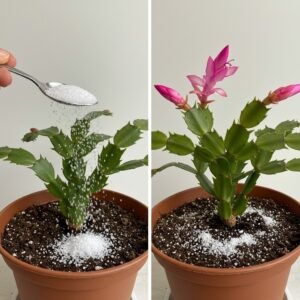
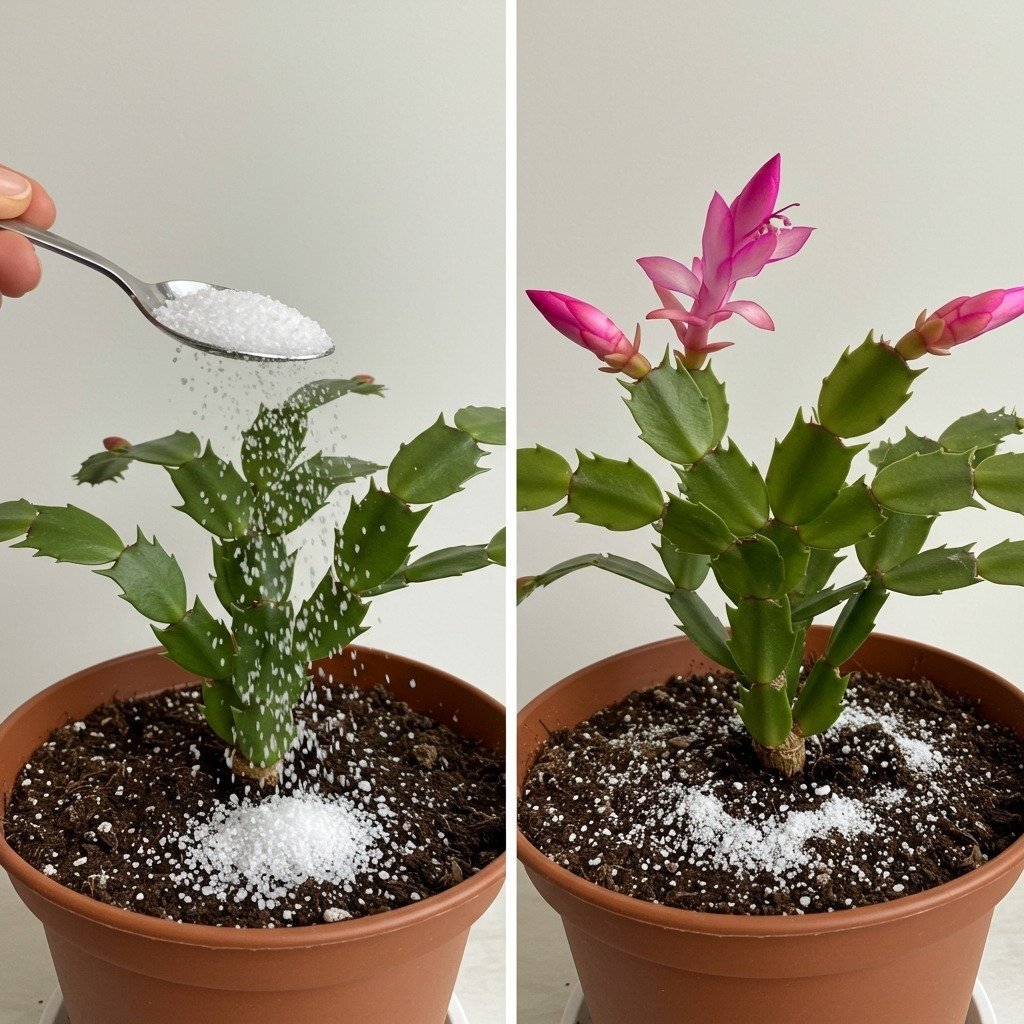
With a little attention and a specific supplement, you can breathe life back into house flowers during the fall season. The “secret” is simple but powerful: magnesium sulfate, better known as Epsom salt.
Why Epsom Salt Works
Epsom salt is not a salt in the culinary sense. It is a naturally occurring mineral compound of magnesium and sulfate. Both of these elements are critical for plant health:
Magnesium is central to chlorophyll, the pigment that allows plants to convert sunlight into energy. Without sufficient magnesium, leaves turn pale and photosynthesis slows down.
Sulfur contributes to the formation of amino acids, enzymes, and vitamins. It also supports root development and improves nutrient uptake.
Houseplants grown in pots often suffer from nutrient imbalances because soil volume is limited. Over time, regular watering leaches out minerals, and unless the potting mix is refreshed, deficiencies build up.
Magnesium deficiency is common, especially in flowering plants such as roses, orchids, begonias, and geraniums. Symptoms include yellowing between the veins of leaves and reduced flowering.
Adding a small amount of dissolved Epsom salt directly addresses this issue. It supplies readily available magnesium and sulfur in a form plants can absorb immediately.
The result is greener foliage, sturdier stems, and a fresh burst of flowering potential.
Seasonal Renewal
Fall is an ideal moment to introduce this supplement. As daylight shortens, indoor flowers need extra support to continue photosynthesizing effectively.
The magnesium from Epsom salt acts as a booster, enabling plants to make the most of limited light.
Stronger chlorophyll production translates into more energy reserves, which can then be directed toward bud formation and flowering.
Moreover, cooler temperatures tend to slow down soil activity.
Microbes that help recycle nutrients become less active, which means plants rely even more on what is directly available in the potting mix.
A gentle application of Epsom salt compensates for this slowdown by delivering nutrients in a highly soluble form.
Revitalizing Effect
The visual transformation after introducing Epsom salt can be striking. Leaves that were losing color regain a vibrant green sheen.
Wilted stems become firmer, and the overall posture of the plant improves.
With regular use, buds begin to form, even on plants that appeared to have entered dormancy.
This revitalizing effect is not a quick cosmetic fix—it reflects a real improvement in the plant’s nutrient balance.
Indoor gardeners often notice that flowers respond within a few weeks.
While not every plant will suddenly burst into bloom, the overall health and vigor increase, laying the foundation for sustained flowering through the cooler months.
See next page